

What Are the First Signs of a Failing Septic Tank?
Slow drains in more than one fixture at once is the tell. One slow sink is a clog. A slow sink, a slow tub and a toilet that gurgles when the washing machine drains, that is the tank telling you it is full or the field is failing. Delray Beach homes on older lots sometimes have tanks nobody has touched in years, and the first real warning is usually water backing up at the lowest drain in the house, often a basement floor drain or a ground-floor shower. Bright green grass in one patch over the drain field, even in dry weeks, points to effluent surfacing there. Standing water or soggy ground over the tank or field after a dry stretch is a hard sign, not a maybe. If you catch it early, a standard septic pumping service resets the clock. Wait too long and you are looking at field repair instead of a pump-out, which costs a lot more and takes a lot longer.
Why Does My Septic Tank Smell Bad?
A sulfur or rotten-egg smell near the tank lid or drain field means gas is escaping through a crack, a loose lid or a saturated field that can no longer absorb odor along with liquid. Sewage gas should stay contained. If you smell it standing in the yard, air is finding a way out that it should not have. This is different from a grease problem: a grease interceptor is pumped once fats, oils, grease and solids reach 25 percent of the liquid depth, and that is a commercial kitchen issue, not a household septic one. For restaurants and food trucks working around Delray Beach, grease trap pumping runs on that measurement, not on a fixed calendar. For a house, smell plus slow drains together means call for septic tank cleaning before it turns into a yard full of effluent.
How Often Should a Septic Tank Be Pumped?
Every 3 to 5 years is the standard window for a residential tank, and where you land in that range depends on tank size and how many people live in the house. A family of five in a smaller tank pushes toward the 3-year end. A couple in a larger tank can often stretch toward 5. Nobody tracks this by memory reliably, so if you cannot remember the last pump-out, that is itself a warning sign. Our guide on how often to pump a septic tank breaks the math down further. Cost varies by tank condition and access, and our page on septic tank pumping cost lays out what drives the number up or down. If your system serves a rental property or a second home in Delray Beach that sits empty part of the year, pumping still needs to happen on a schedule, not just when someone notices a smell.

Can a Septic Tank Fail Without Warning?
Rarely, and usually only when a warning sign was missed rather than absent. Tanks fail gradually. What looks sudden, like a toilet that will not flush at all, is usually the end of a slower slide that included slower drains and yard changes for weeks or months prior. That is why catching the early signs matters more than reacting to the last one. If you are mid-renovation and a septic issue turns up alongside a dumpster or fence rental on the property, construction site services can bundle sanitation with everything else running on site. Homeowners doing a renovation without full plumbing access sometimes bring in a holding tank rental or a portable restroom rental while the system gets fixed, which keeps the household running without pressure on a stressed tank.
| situation | signal | what it usually means |
|---|---|---|
| slow drains, multiple fixtures | tank near full or field saturated | schedule a pump-out soon |
| sulfur smell at lid or yard | gas escaping a seal or crack | inspect lid and vents |
| standing water over field | field can't absorb liquid | field may need repair, not just pumping |
| bright green patch, dry weather | effluent surfacing at grade | call for service same week |
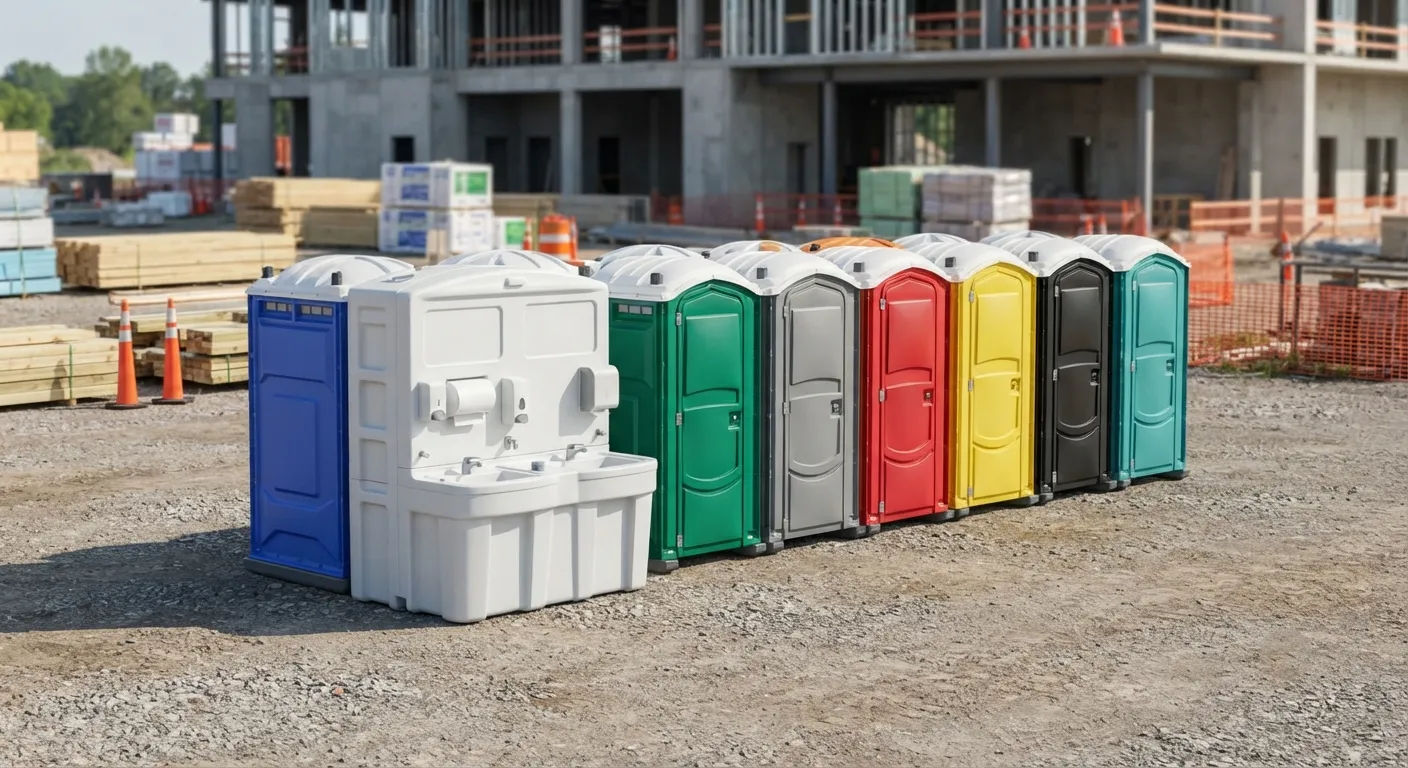
For emergencies where a tank backs up on a weekend or overnight, emergency septic service covers that gap. And if you are dealing with sanitation for an event or job site rather than a home septic system, our main page on portable toilet rental and the porta potty rental in Delray Beach, FL hub cover those needs directly.
How much does septic tank pumping cost in Delray Beach?
Cost depends on tank size, access and how full the tank is when the truck arrives. Our septic tank pumping cost page covers the pricing factors in detail. Rentals like a septic day rate apply for one-time visits, not recurring maintenance.
What causes a septic tank to back up?
Backups usually come from a full tank, a clogged line between house and tank, or a saturated drain field that cannot accept more liquid. Tree roots and old pipe joints contribute too. A septic tank warning signs check on drains and yard condition catches most of these before a full backup happens.
Can I pump my own septic tank?
No. Pumping requires a vacuum truck and proper waste disposal, which homeowners are not equipped to do. Use septic pumping service for scheduled work or emergency septic service if the tank has already backed up.
Does a bad smell always mean the tank needs pumping?
Not always, but it is worth checking. A sulfur smell near the lid can mean a loose seal rather than a full tank. Either way, septic tank cleaning includes an inspection that tells you which one you are dealing with.
How do I know if it's my septic tank or my grease trap?
Homes have septic tanks; commercial kitchens have grease interceptors, pumped once solids hit 25 percent of liquid depth rather than on a fixed schedule. If you run a restaurant or food truck near Delray Beach, grease trap pumping is the right service, not residential septic pumping.
Next step
Get a delivery date
Tell us the address, the dates and the headcount. We size the order and confirm the route.